
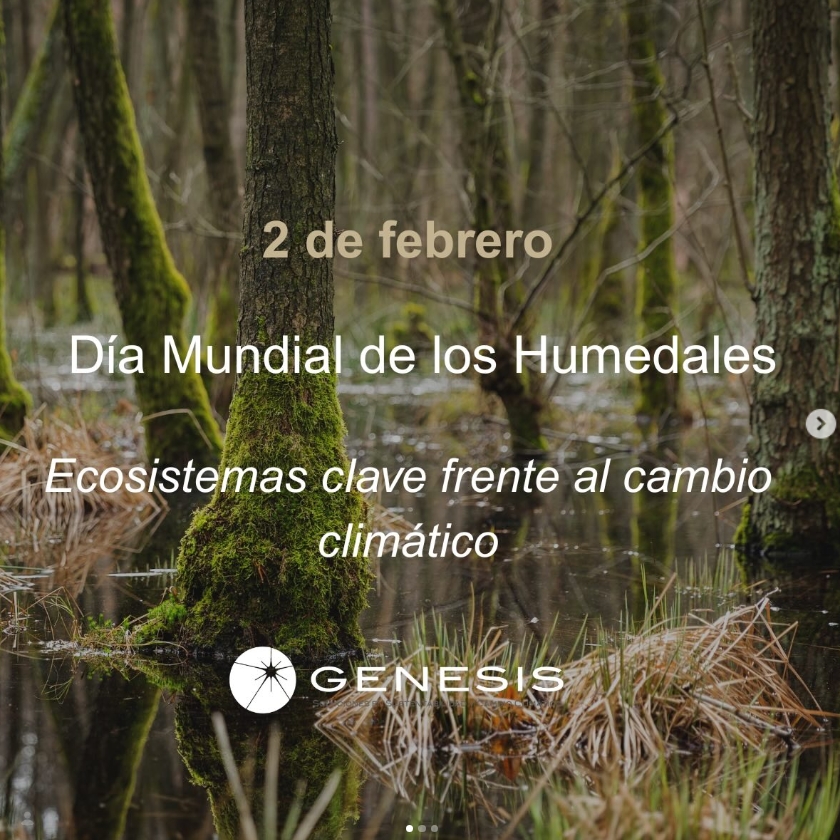
Every February 2, World Wetlands Day is observed as an opportunity to recognize the strategic value of these ecosystems in a context of climate change and growing pressure on natural resources.
Wetlands — including marshes, deltas, lagoons, swamps, and peatlands — provide essential environmental functions. They act as natural water regulators, absorbing excess water during heavy rainfall and gradually releasing it during dry periods. This helps reduce flood risk, mitigate droughts, and sustain water availability for communities and productive activities.
Wetlands also function as natural filters, improving water quality by retaining sediments and pollutants. In addition, they support rich biodiversity and provide critical habitats for numerous species.
From a climate perspective, wetlands play an important role as carbon sinks. Their soils can store significant amounts of organic carbon over long periods, contributing to climate change mitigation. When these ecosystems are degraded or converted, that stored carbon can be released back into the atmosphere, intensifying the problem.
Protecting and sustainably managing wetlands is an investment in resilience, water security, and climate stability. Recognizing their value is a key step toward more balanced and sustainable development.